
How to Start Forex Trading: A Comprehensive Beginner’s Guide
Forex trading, also known as foreign exchange trading or currency trading, is a decentralized global market where all the world’s currencies trade. Whether you are looking to embark on a new investment venture or diversify your portfolio, understanding the forex market is crucial. In this guide, we will walk you through how to start forex trading step by step, ensuring you have a solid foundation to begin your trading journey. For those in Argentina, you can find reputable how to start forex trading Forex Brokers in Argentina that offer excellent services and resources for new traders.
Understanding the Basics of Forex Trading
Before diving into the practical aspects of trading forex, it’s essential to understand what forex trading entails. Unlike stock markets, the forex market operates 24 hours a day, five days a week, due to its global nature. Currencies are traded in pairs, such as EUR/USD or GBP/JPY, meaning that the value of one currency is determined in relation to another. The goal for traders is to speculate on the price movements of these currency pairs, buying when they anticipate a rise in value and selling when they expect a decline.
Step 1: Educate Yourself
Education is the foundation of successful trading. Start by familiarizing yourself with key concepts such as:
- Pips: The smallest price change in the market, usually the fourth decimal point.
- Lot size: The quantity of currency you buy or sell, with standard, mini, and micro lots available.
- Leverage: Allows you to control larger positions with smaller amounts of capital, but it also increases risk.
- Margin: The amount of capital required to open a leveraged position.
- Technical and Fundamental Analysis: Techniques used to analyze price movements and market behavior.
Utilize free resources such as online courses, forex trading forums, and educational videos to enhance your knowledge.
Step 2: Choose a Reliable Forex Broker
Finding a reputable forex broker is crucial. Look for brokers that are well-regulated and offer a user-friendly trading platform. Here are some factors to consider when choosing a broker:
- Regulation: Ensure that the broker is regulated by a recognized financial authority.
- Trading Platform: Consider the features, tools, and ease of use of the trading platform.
- Spreads and Commissions: Compare the transaction costs associated with different brokers.
- Customer Support: Check the availability of customer support and the channels you can use to reach them.
It’s advisable to open a demo account to test the broker’s platform before committing real funds.
Step 3: Create a Trading Plan
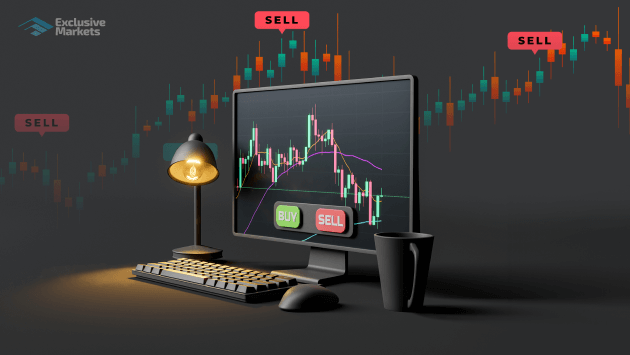
A trading plan is a crucial element of successful forex trading. It should outline your trading goals, risk tolerance, and the strategy you plan to employ. Your plan may include:
- Your Goals: Define what you hope to achieve, whether it’s generating a secondary income or building wealth over time.
- Risk Management: Determine how much you’re willing to risk per trade and your overall risk tolerance.
- Trading Strategies: Choose a trading style that fits your personality and lifestyle, whether it’s day trading, swing trading, or long-term investing.
Sticking to your trading plan can help you maintain discipline and control over your trading decisions.
Step 4: Start Trading with a Demo Account
Before investing real money, practice trading in a demo account. This allows you to familiarize yourself with the trading platform and test your strategies without financial risk. Use this opportunity to refine your skills, develop your understanding of market movements, and experiment with different trading styles. Many brokers offer demo accounts with virtual funds, which is a great way to build confidence before trading with real money.
Step 5: Begin Live Trading
After gaining sufficient experience and confidence in a demo environment, it’s time to transition to live trading. Here are some important tips to keep in mind as you start:
- Start Small: Begin with a small amount of capital and gradually increase your position sizes as you gain experience.
- Keep Emotions in Check: Avoid letting emotions dictate your trading decisions. Stick to your trading plan and maintain discipline.
- Review Your Trades: Regularly review your trades to identify mistakes and areas for improvement.
Live trading involves real financial risk, so take your time to build your skills and confidence.
Step 6: Continue Learning and Adapting
The forex market is dynamic, and continuous learning is vital. Stay informed about global economic events, new trading strategies, and emerging market trends. Participating in webinars, following market analysts, and reading trading blogs can help you stay on top of the changing landscape. Additionally, consider joining trading communities where you can exchange ideas and learn from other traders’ experiences.
Final Thoughts
Starting forex trading can be both exciting and daunting. By following the steps outlined in this guide, you’ll be better prepared to navigate the complexities of the forex market. Remember that success doesn’t come overnight; it requires dedication, patience, and an ongoing commitment to learning. As with any investment, always trade responsibly and only invest what you can afford to lose. Happy trading!